History
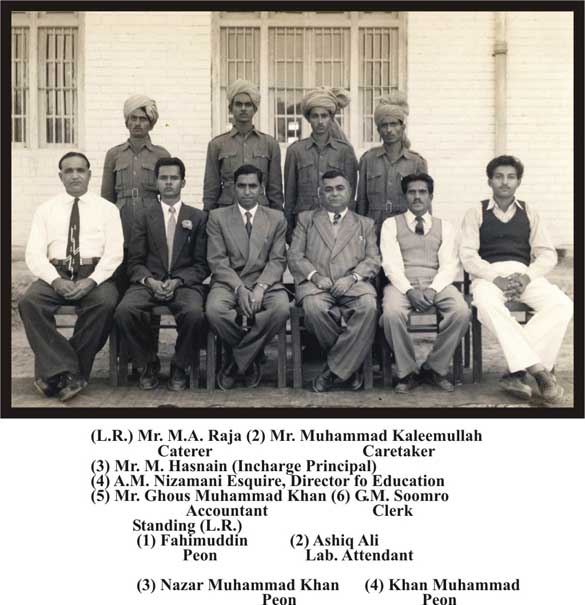
The college was founded in August 1957 at Mirpurkhas, Sindh as a residential institution. The first batch of teachers joined the college on 5 August 1957 at Mirpurkhas while the college building was still under preparation. These five teachers were Mr. Abdullah Khadim Hussain, Mr. Feroz Yusuf Khan, Mr. Aziz Ahmed Farooqui, Mr. Hasan Masud Zuberi, and Mr. Syed Zahoorul Hasan. While the government had advertised for the position of Principal of the college, Mr. Mohammed Hasnain was appointed as the in Charge (Acting) Principal on 25 August 1957 for the initial few months. He was soon succeeded by Col.(retd) J.H.H. Coombes on 20 March 1958.
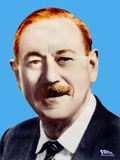
Col.(R) J.H.H. Coombes
The first Principal of Cadet College Petaro was Colonel (R) John Harold Henry Coombes, CBE, E.R.D., M.A.(Oxon), who evokes extreme nostalgic memories for those who have known him, have worked with him, or were students of Cadet College Petaro during his period. He left his mark on the college for posterity. His vision, his tireless efforts and his dedication towards this college continue to bear fruits to this day.
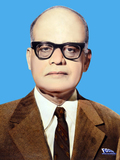
Mr. Syed Shaida Azim
The first Vice Principal of Cadet College Petaro. He was born on 29 May 1917 at Lucknow, UP, India. He acquired his early education at home, which was centered around the Noble Qur’an. He started his formal schooling from class VI at St Joseph’s School, Lucknow, where he studied for three years. He then completed his matriculation from Islamia High School and intermediate from Govt Jubilee College.
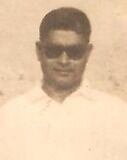
Capt. Azizullah Khan Niazi
Capt. Azizullah Khan Niazi was the first adjutant of Cadet College Petaro from 1957-1960.
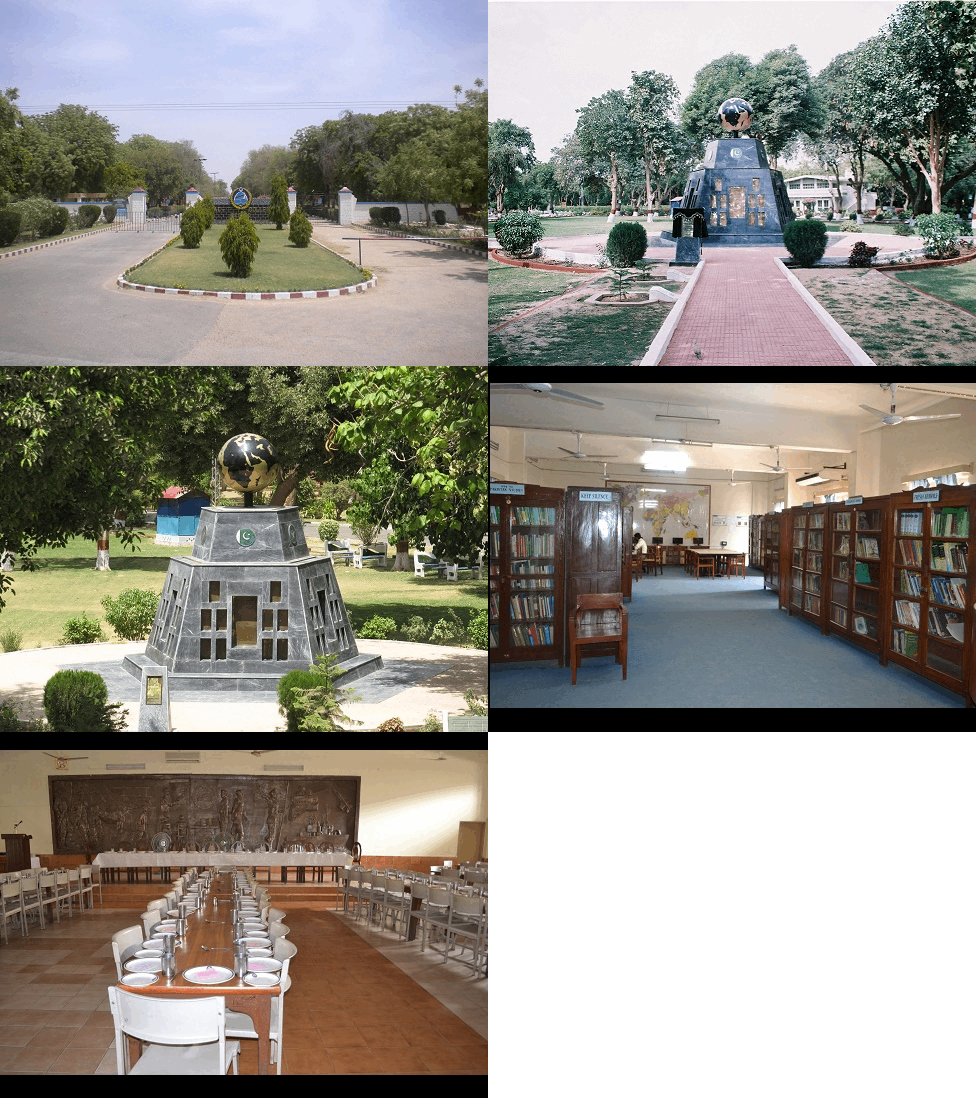
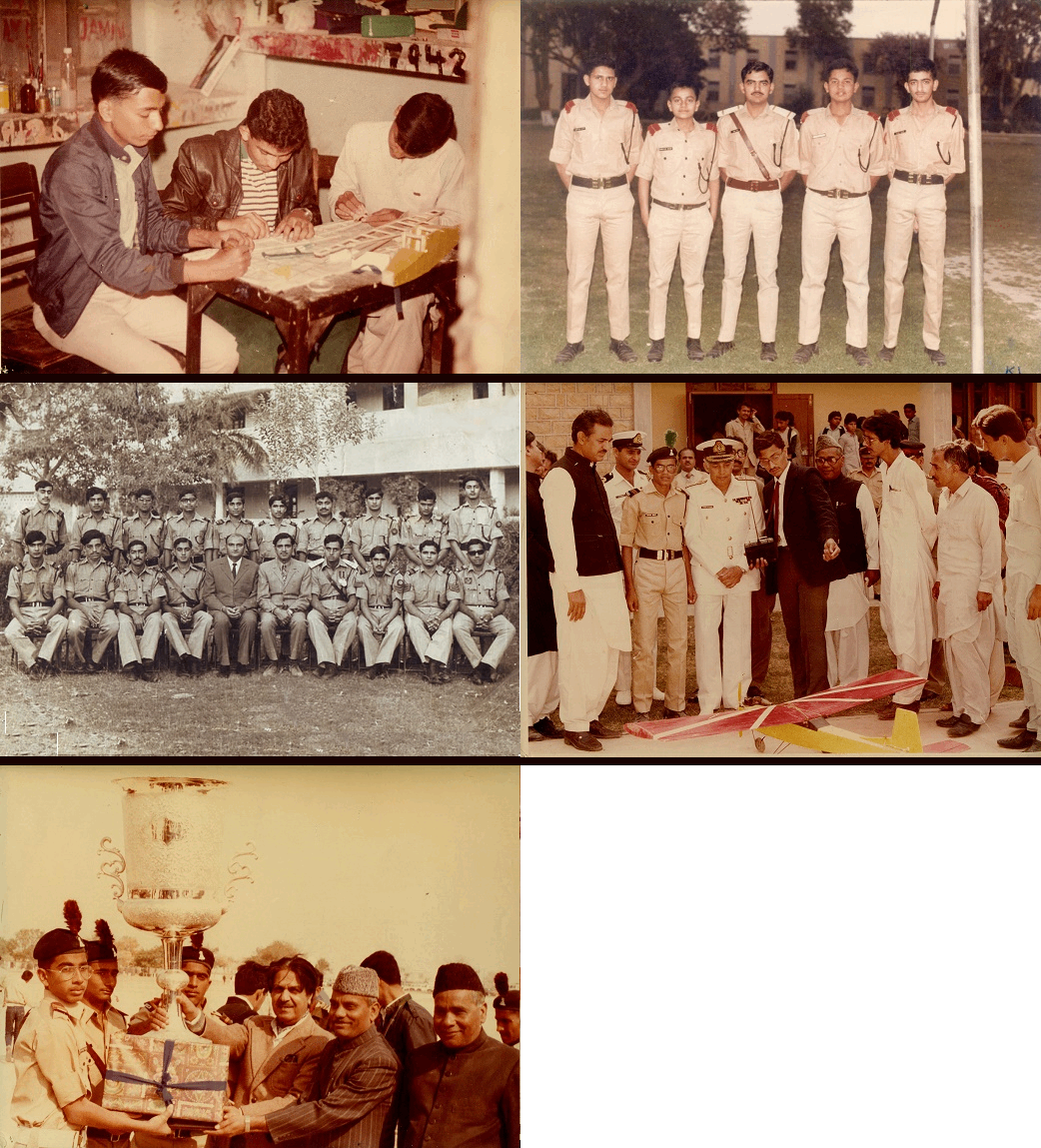
The first batch of 30 students joined the college on 27 August 1957 in class VIII. In 1958, a new site was sought in order to build a permanent campus for the college. A site was chosen at Petaro, a few miles up the river from Jamshoro. The construction of a purpose built campus began almost immediately. Mr. Habib-ur-Rehman, Minister of Education, laid the foundation stone of the college on 16 January 1959. The initial cost of construction of the buildings of the college sanctioned by the government of West Pakistan was Rs. 2,700,000. The college finally moved to its new premises at Petaro in August 1959. At the time of the move, the River Indus was in flood, and Petaro was also submerged under its waters. The building in Mirpurkhas that originally housed Cadet College Petaro was given over to the Government College Mirpurkhas.
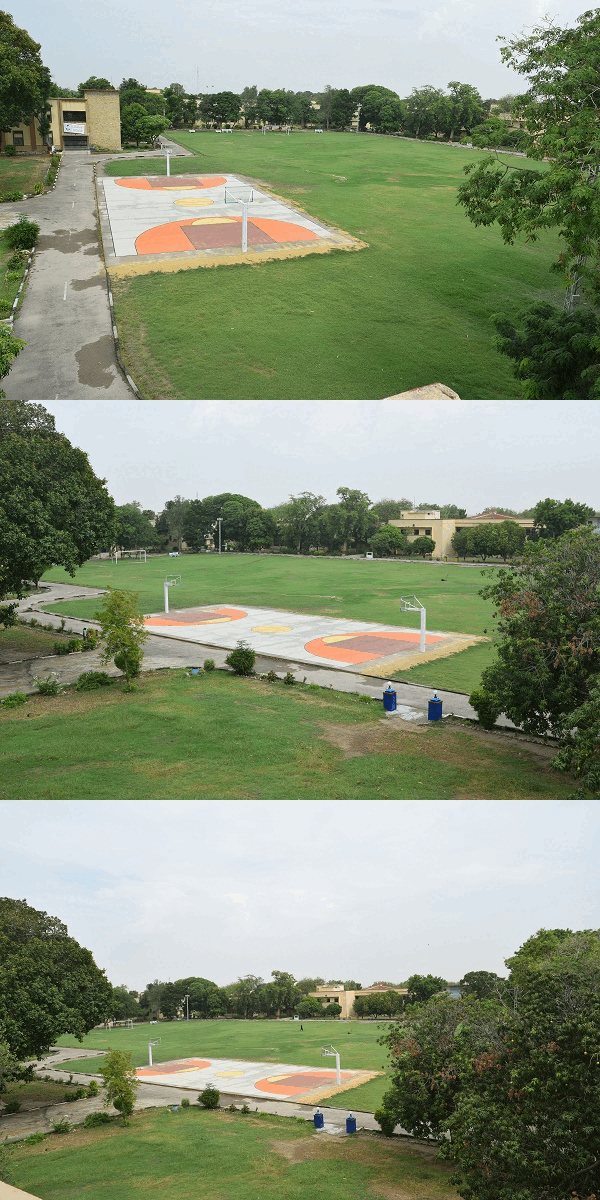
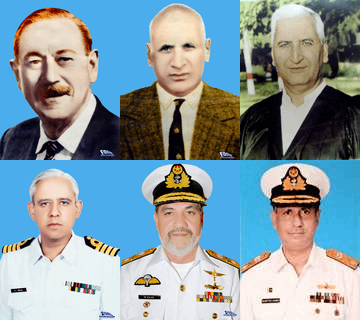
The first principal of the college was Col.(retd) J.H.H. Coombes who retired from the college in 1965. He was followed by Cdr.(retd) Firoz Shah, who remained in charge until 1972. The previous principal was Cdre. M. Abid Saleem (2000–2007). The present principal is Cdre. Mehboob Ellahi Malik (2014-onwards). The college is a residential institution for over 900 full-time students at present, providing education from Class 8 to Class 12 (Intermediate). At the time it was first constructed, it was designed to accommodate only 360 students in four houses (or hostels). The capacity was expanded to 570 with the construction of two more houses in the late 1960s. The year 2007 marked the fiftieth anniversary of the college. Gen. Pervez Musharraf, President of Pakistan was the chief guest at the Golden Jubilee celebrations on 28 February 2007. On this occasion, President Musharraf announced the formation of a university in the vicinity of the college that will be sponsored by the Metupak Foundation.
|
||||
|---|---|---|---|---|
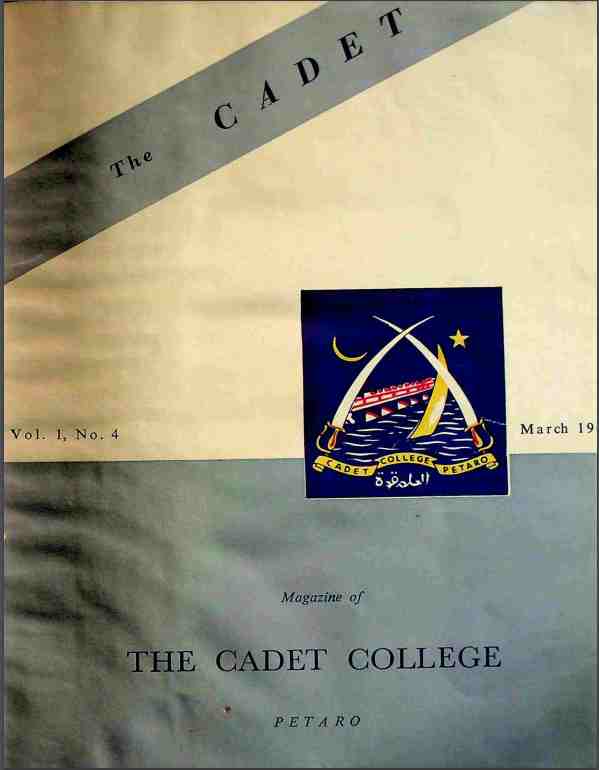 THE CADET | 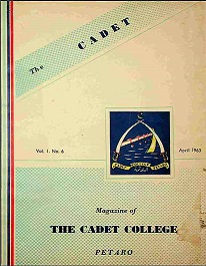 THE CADET | 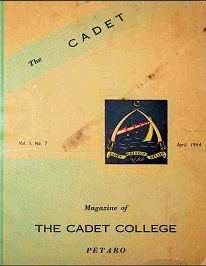 THE CADET |  THE CADET | 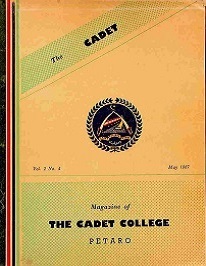 THE CADET |
More Magazines
Houses
JINNAH
Jinnah House was created along with the inception of the college in 1957. The first batch of the 30 students were all in Jinnah House. Jinnah was constructed before the college moved its premises from Mirpurkhas to Petaro in 1959. The rooms housing the cadets were designed to provide accommodation for 3 persons. After 1989, Jinnah House was renamed as Jinnah Division.
Liaquat House
Liaquat House was created in the second year of the college, i.e. in 1958. Like Jinnah House, the Liaquat House hostel was constructed before the college moved its premises from Mirpurkhas to Petaro in 1959. The rooms housing the cadets were designed to provide accommodation for 3 persons. After 1989, Liaquat House was renamed as Liaquat Division to keep in line with Navy traditions.
Ayub House
Ayub House was created in 1961. Its premises were built in the same year. The house is named after Field Marshal (R) Mohammed Ayub Khan, who was the President of Pakistan from 1958-1969.The college administration decided to experiment with a new design by substituting rooms with larger dormitories in order to control the students discipline better. The rooms housing the cadets were designed to provide accommodation for 12 persons.
Latif House
Latif House was created in 1962. Its premises were built in the same year. The house is named after the famous sufi poet of Sindh - Shah Abdul Latif Bhitai who is buried at Bhit Shah. The college administration decided to follow the same design of this hostel as Ayub House. The rooms housing the cadets were designed to provide accommodation for 12 persons. After 1989, Latif House was renamed as Latif Division to keep in line with Navy traditions.
Iqbal House
Iqbal House was created in 1966. Its premises were built in the same year. The house is named after the Thinker / Philosopher Muhammad Iqbal, who is one of the greatest Muslims that lived during the 19th - 20th century. The college administration continued having larger dormitories with the successful experiments of Ayub and Latif House. The rooms housing the cadets were designed to provide accommodation for 12 persons. After 1989, Iqbal House was renamed as Iqbal Division to keep in line with Navy traditions.
Qasim
Muhammad Bin Qasim House (Qasim House for short) was created in 1967. Its premises were built in the same year. The house is named after the famous conqueror of Sindh Muhammad Bin Qasim, who brought Muslim power to the sub-continent in the year 711 C.E. after having defeated the armies of Raja Dahir. Qasim House is patterned after Iqbal House. The rooms housing the cadets were designed to provide accommodation for 12 persons. After 1989, Qasim House was renamed as Qasim Division.
Shahbaz
Shahbaz House was created in 1975. Its premises were built in the same year. The house is named after the famous sufi saint of Sindh – Lal Shahbaz Qalandar who is buried in Sehwan Sharif. This house was built specifically to house the 7th Class students, and to keep them apart from the older cadets. The rooms housing the cadets were designed to provide accommodation for 12 persons. After 1989, Shahbaz House was renamed as Shahbaz Division.
Sachal
Sachal House was established in 2012 (Class 7) and O-Level in 2014 for Cambrdige System
Our Martyrs
وَلا تَقُولُوا لِمَنْ يُقْتَلُ فِي سَبِيلِ اللَّهِ أَمْوَاتٌ بَلْ أَحْيَاءٌ وَلَكِنْ لا تَشْعُرُونَ
And say not of those who are slain in the way of Allah: “They are dead.” Nay, they are living, though you perceive (it) not. [Al-Qur’an 2:154]
Indeed they live forever! May the Almighty have Mercy on them, and grant them a place in the Jannatul Firdaus. Ameen!
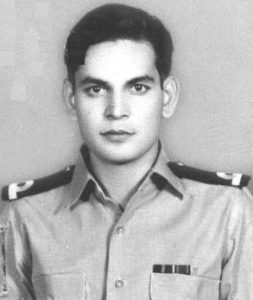
Najmus Saqib Saiyid, 94/Latif
Lt. Najmus Saqib Saiyid, PN – Shaheed joined Cadet College Petaro in 1959 and left the college in 1963 after completing his Intermediate. He was born on 10 July 1947, and obtained his shahadat on 5 December 1971 aboard PNS Khaibar off the coast of Karachi
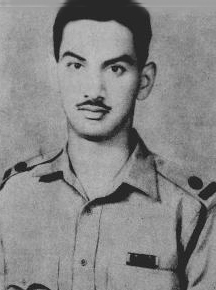
Mohammed Azam Rajput, 116/Liaquat
Major Mohammed Azam Rajput – Shaheed joined Cadet College Petaro in 1960 and left the college in 1962 after completing his Matric. He was born on 8 July 1947, and obtained his shahadat on 10 December 1971 in the Chhamb Sector (West Pakistan) during the 1971 war with India
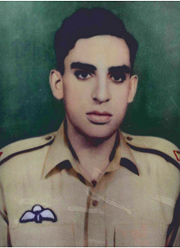
Saadat Farooq, 275/Liaquat
Lieut. Saadat Farooq – Shaheed joined Cadet College Petaro in 1962 and left the college in 1967 after completing his Intermediate. He was born on 12 April 1949 at Kohat, and obtained his shahadat on 26 May 1971 at Chuadanga, East Pakistan during the operations against Mukti Bahini
More Details
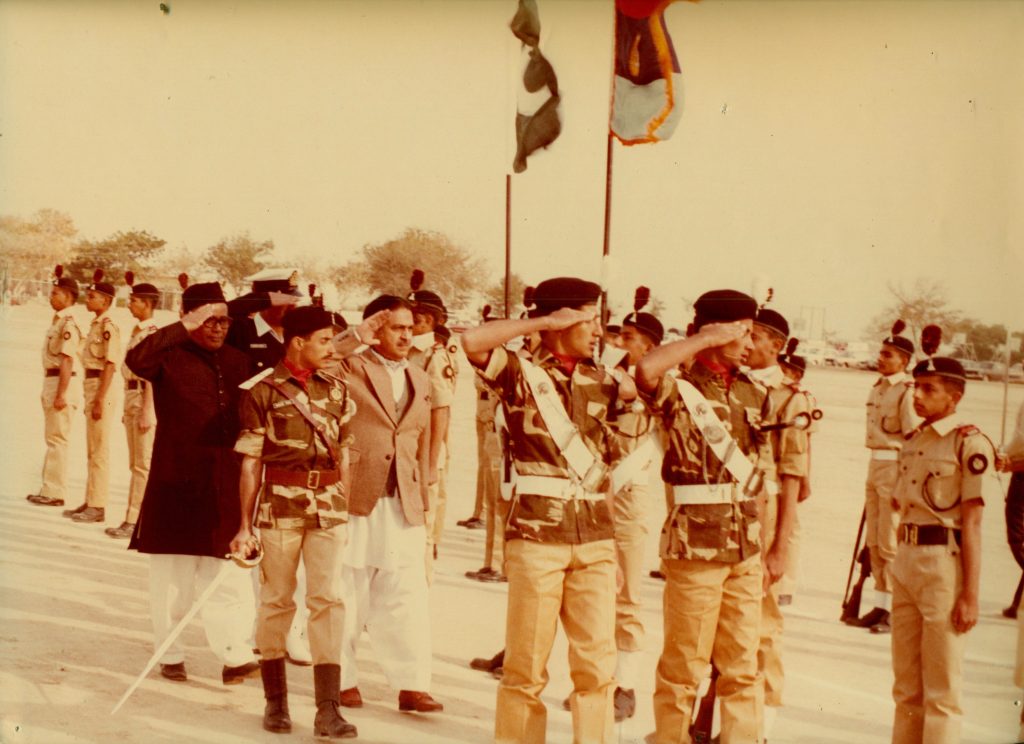
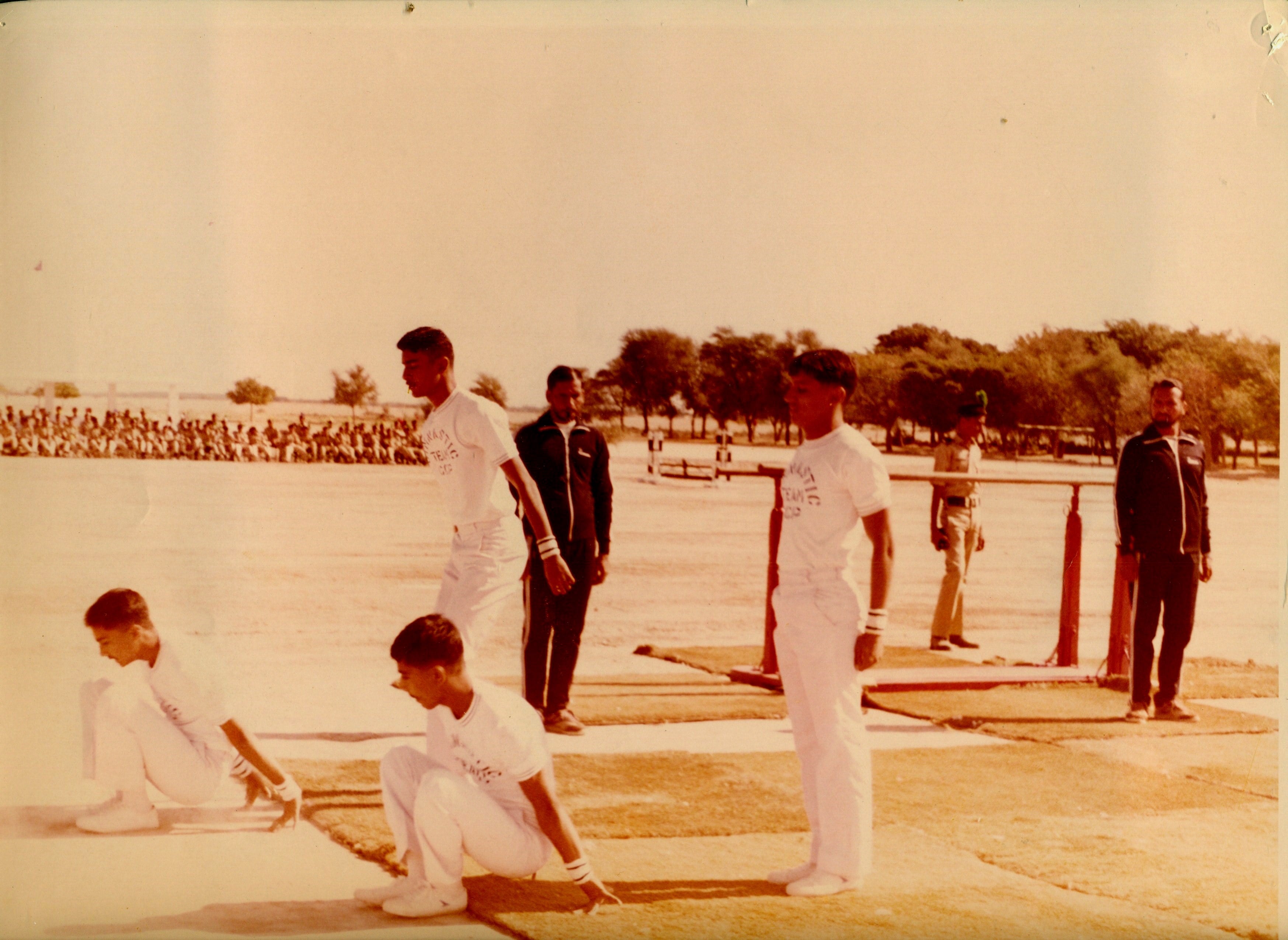
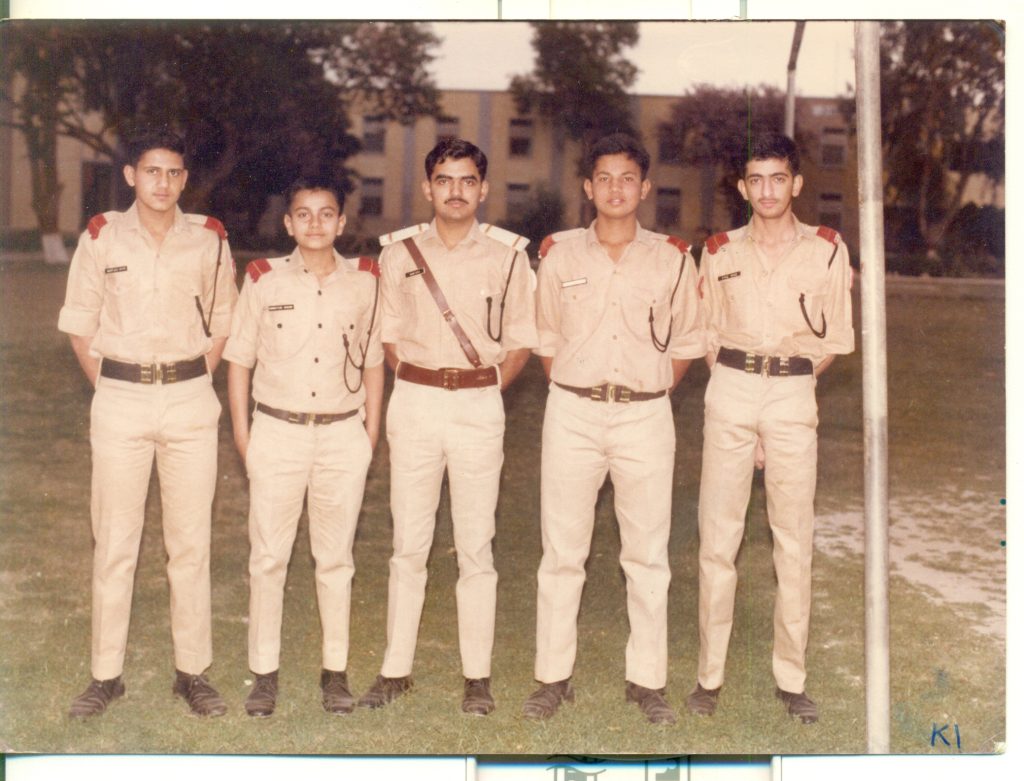
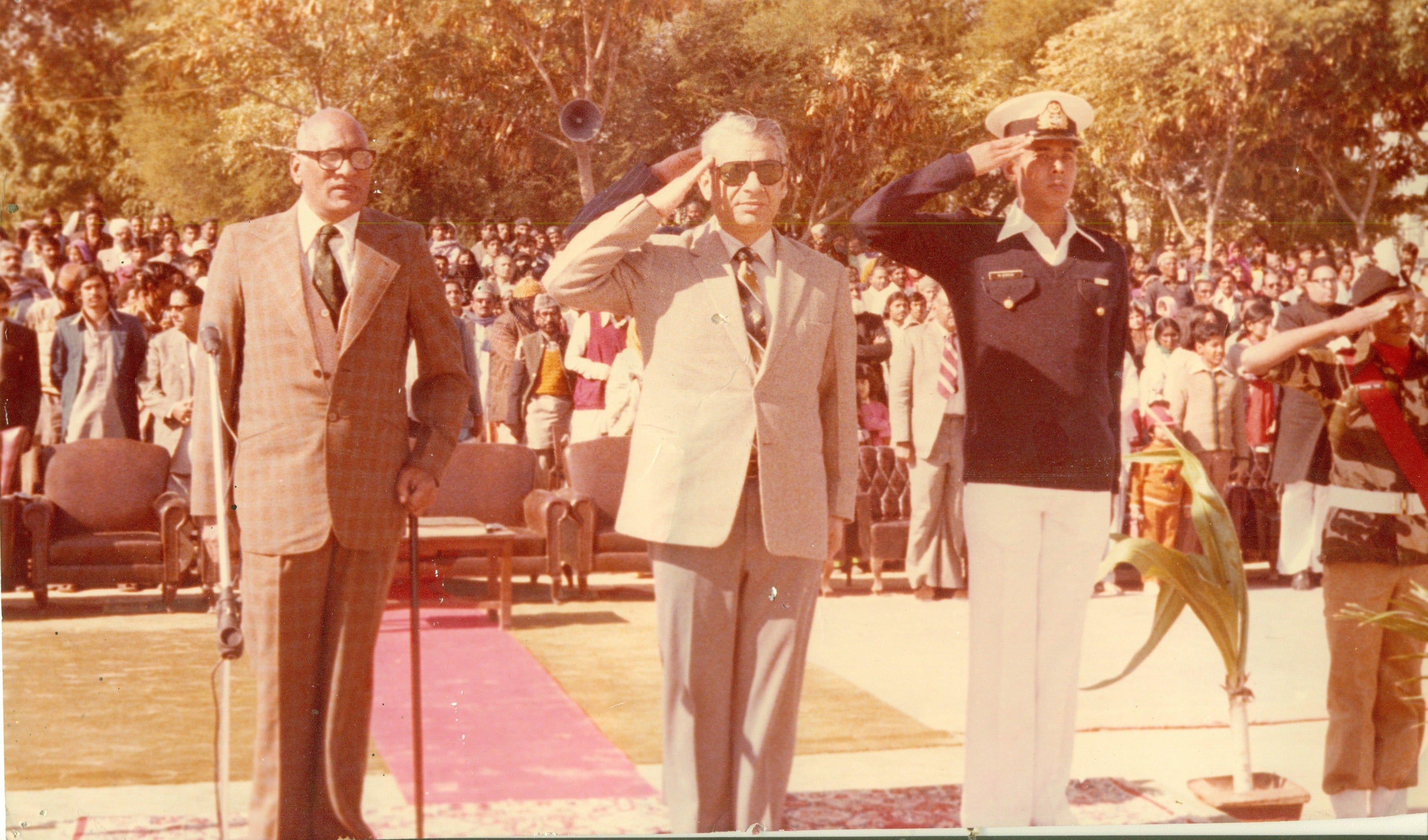
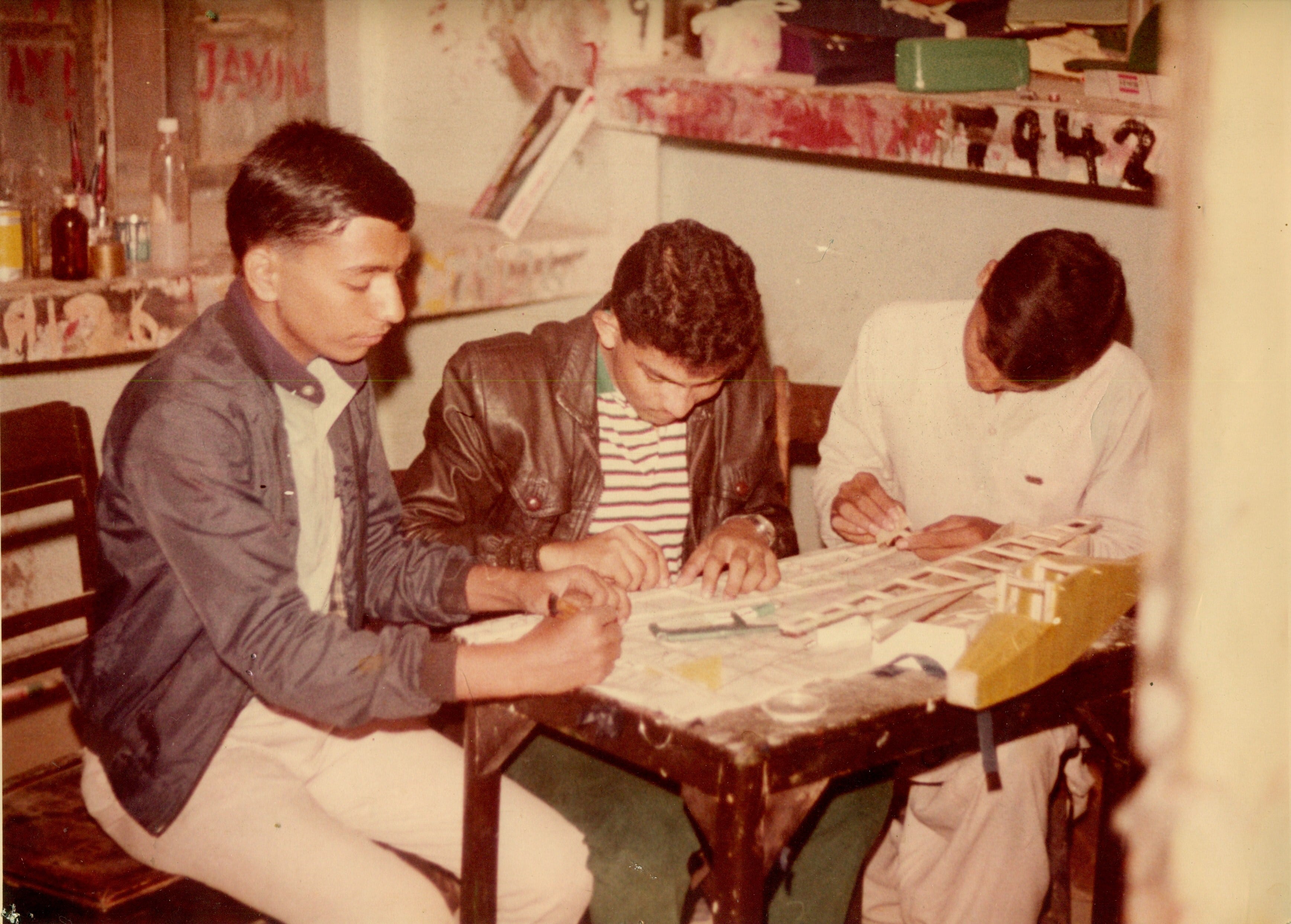
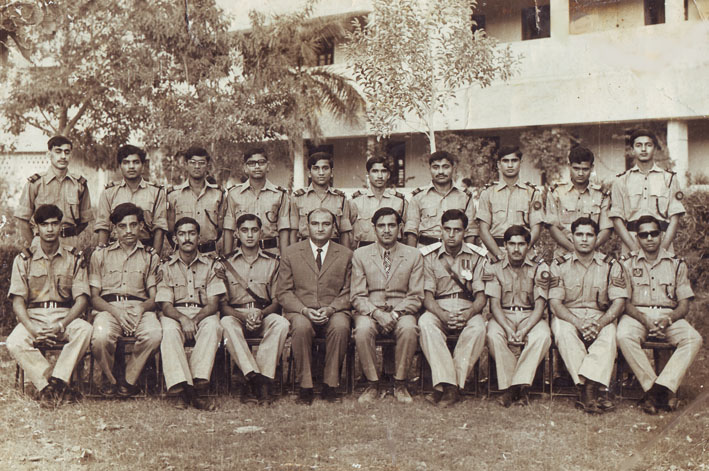
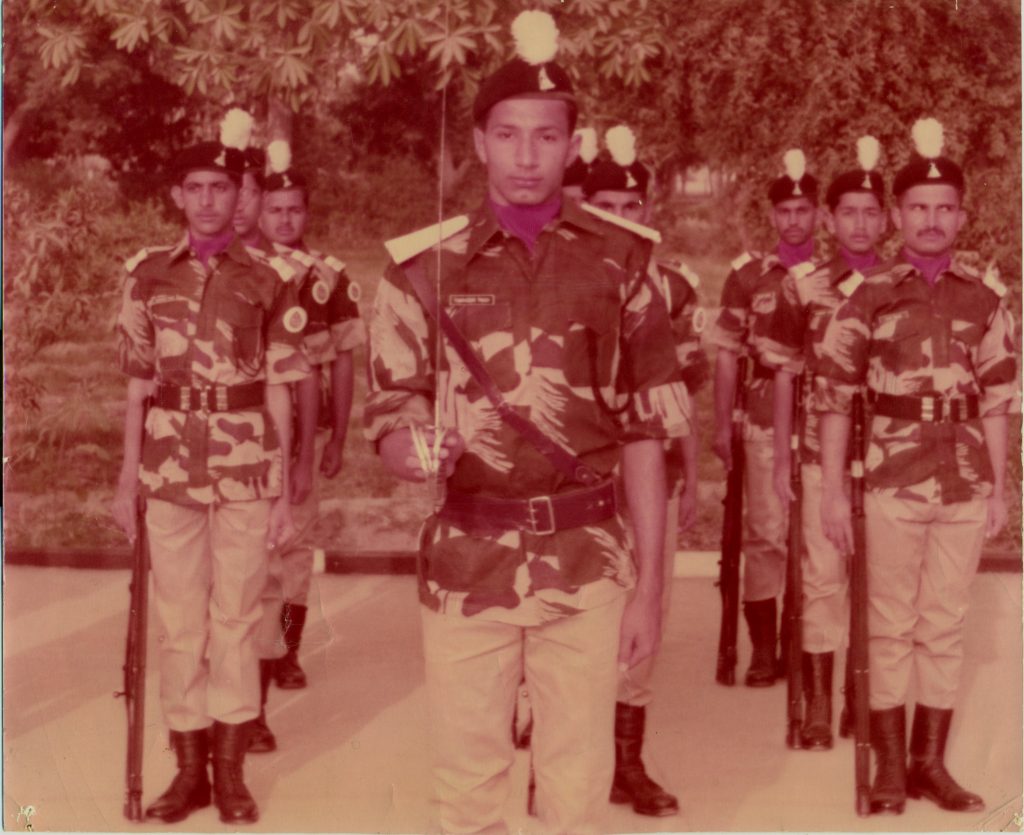
Stick & Badge of Honour
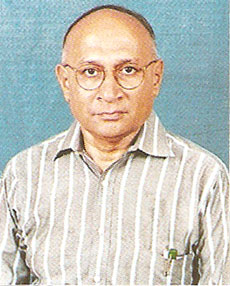
Shaikh Mohammad Yunus (Kit Number: 06 Jinnah House)
Stick of Honour (1958-1959)
Mr. Shaikh Muhammad Yunus Joined Petaro on 1957 and Graduated on 1963. He won the first Stick of Honour of the college in 1958-1959. Yunus excelled in sports at the college. As the top athlete of the college, he was appointed the College Athletics Team Captain for two years - 1961-1963. In addition, he was also the captain of the College Basketball team in 1961-1962, the captain of the College Cricket Team in 1962-1963, and captain of the College Shooting Team in 1961-1963. In addition to being the captain of so many teams, he was a member of the teams in most of the other sports as well including hockey, football and riding.
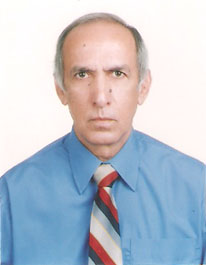
Ejaz Rasool Chaudhri (Kit Number: 83 Liaquat House)
Stick of Honour (1960-1961)
Mr. Ejaz Rasool Chaudhri Joined Petaro on 1959 and Graduated on 1964
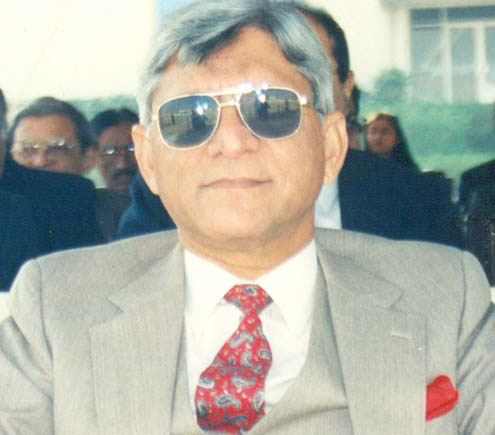
Azhar Hussain (Kit Number: 227 Latif House)
Stick of Honour (1964-1965)
Mr. Azhar Hussain Joined Petaro on 1961 and Graduated on 1965
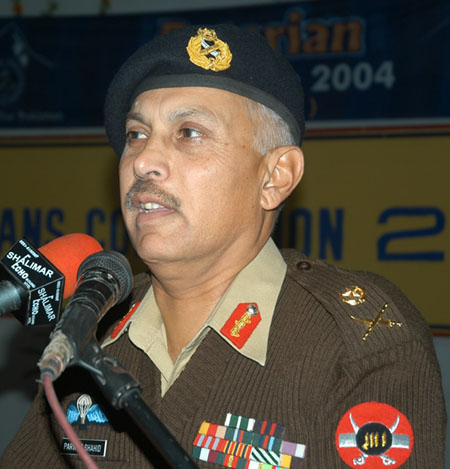
Syed Parvez Shahid (Kit Number: 332 Ayub House)
Stick of Honour(1966-1967)
Mr. Syed Parvez Shahid Joined Petaro on 1962 and Graduated on 1967. S.P. Shahid gained a virtually legendary position in the annals of Petaro and amongst Petarians. He has been a figure who most Petarians look up to. He won the Badge of Honour after Matric and the Stick of Honour after Intermediate. He rose up to become the SUO (Senior Under Officer) in 1966-1967. He was an all-rounder. While he was the best in his class in academics, he was also the best in sports. In the Matric Board examination, he stood first in the district.
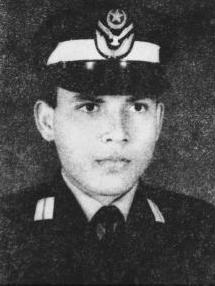
Syed Hassan Haider Rizvi (Kit Number: 894 Iqbal House)
Stick of Honour (1971-1972)
Mr. Syed Hassan Haider Rizvi Joined Petaro on 1967 and Graduated on 1972. He was born on 10 September 1954, and died in an air crash at PAF Mauripur Base at Karachi in August 1979. Hassan Haider is one of the celebrated ex-cadets of Petaro. He is remembered with great fondness by his colleagues and teachers. He had an illustrious performance during his stay at Petaro. He was awarded the Badge of Honour in for the year 1969-1970 for all rounded performance in his Matric year and the Stick of Honour for the year 1971-1972 for all rounded performance in his Inter years. He excelled in his academic career and stood third in the entire Board in Intermediate examinations (pre-engineering).
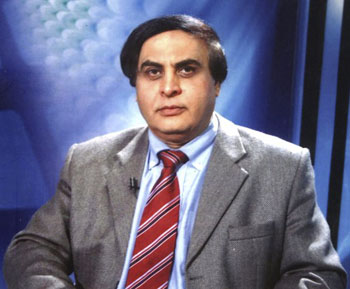
Khalid Jamil Akhtar (Kit Number: 7025 Jinnah House)
Stick of Honour (1974-1975)
Mr. Khalid Jamil Akhtar Joined Petaro on 1970 and Graduated on 1975. Khalid Jamil is another great celebrated personality of Petaro of all times. He was the Senior Under Officer (SUO) of his entry and Captain of the College Football Team during his final year.He was a member of the College Athletics Team. He stood first in the district in the Matric Board exams, and Second in the entire Board in the Intermediate exams for Pre-Medical. He was awarded the Badge of Honour after Matric and the Stick of Honour after Intermediate for his superb performance.
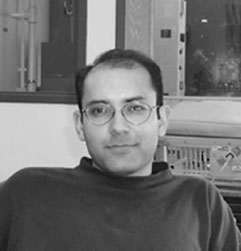
Farhan Rana (Kit Number: 83122 Ayub House)
Stick of Honour (1987-1988)
Mr. Farhan Rana Joined Petaro on 1983 and Graduated on 1988. Farhan was the intellectual of his class. All his teachers recognized his great talents and he excelled in academics. He stood first in the entire Hyderabad Board during the Intermediate examinations and received the Gold Medal for this. The college rewarded him by giving him the Stick of Honour. He was also the Editor-in-Chief of The Cadet Magazine in his last year at Petaro.
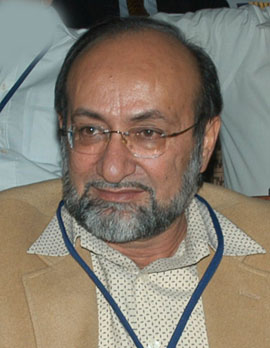
Anis ur Rehman (Kit Number: 121 Liaquat House)
Badge of Honour (1961-1962)
Mr. Anis ur Rehman Joined Petaro on 1960 and Graduated on 1964. Anis ur Rehman was a star at Petaro. He was a sportsman, and held the position of College Captain for the Hockey and Athletics teams. He was given the College Colours in both of these sports. He also attended the Pakistan Hockey Camp at Lahore in 1964. He was also a boxer and won the college Bantam Weight Boxing championship and the Chess championship. In other activities, he was the President of the college Philatelic Club. As a result, he was the first Petarian to be awarded the Badge of Honour in 1961-1962.
Azhar Hussain (Kit Number: 227 Latif House)
Badge of Honour (1962-1963)
Mr. Azhar Hussain Joined Petaro on 1961 and Graduated on 1965. Admiral Azhar is the First Petarian to Reach the Flag Rank. During his years at Petaro, he was known for his academic performance, where he would normally be at the top of his class. He excelled in sports as well and became the college Captain and Colour Holder for the Basketball team. He was also the Colour Holder for the College Rifle Shooting Team. His contributions to The Cadet magazine are well recorded. During his final year, he became the Chief Editor of the magazine. In recognition of his capabilities and due to his all rounded performance, he won the both the Badge of Honour and the Stick of Honour. He also won the Gold Medal-PARA in 1965 that was the peak of his achievement at Petaro College.
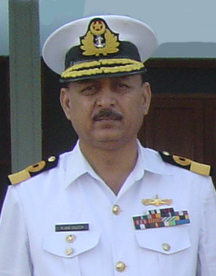
Muhammad Abid Saleem (Kit Number: 589 Latif House)
Badge of Honour (1967-1968)
Mr. Muhammad Abid Saleem Joined Petaro on 1964 and Graduated on 1969. He was the eleventh principal/commandant of Cadet College Petaro. He remained in that position from 2000 to 2007. He also had the honour of being the first Petarian to ever become the Principal of the college which was also his alma mater. During our days at Petaro, Abid was a star. He excelled in sports and became the College Football Captain. In athletics, no one could beat him at 400m, 800m and 1500m races. Abid is the only other cadet to have been honoured by being a member of the Famous Forties of 1966, 1967 and 1968. He was given the Badge of Honour in 10th class and at the end of his stay in Petaro he was Junior Under Officer of Latif Division.
Syed Hassan Haider Rizvi (Kit Number: 894 Iqbal House)
Badge of Honour (1971-1972)
Mr. Syed Hassan Haider Rizvi Joined Petaro on 1967 and Graduated on 1972. He was born on 10 September 1954, and died in an air crash at PAF Mauripur Base at Karachi in August 1979. Hassan Haider is one of the celebrated ex-cadets of Petaro. He is remembered with great fondness by his colleagues and teachers. He had an illustrious performance during his stay at Petaro. He was awarded the Badge of Honour in for the year 1969-1970 for all rounded performance in his Matric year and the Stick of Honour for the year 1971-1972 for all rounded performance in his Inter years. He excelled in his academic career and stood third in the entire Board in Intermediate examinations (pre-engineering).
Contact Us
Cadet College Petaro, District Jamshoro, Sindh - North: 76120
archiveccp66@gmail.com
(+92) 22 2022021 28